

Pipes are one of the most important parts of your home’s plumbing system, but they don’t last forever. Over time, pipes can wear down, corrode, or develop hidden leaks that affect water flow and overall reliability.
Homeowners often face a tough question: Should you repair the problem or replace the aging pipes altogether? The right answer depends on the condition of your plumbing system and how often issues are happening.
If you’re unsure what’s going on behind your walls or under your floors, a plumber in Tulsa, OK can help inspect the system and explain your options clearly.
If you’re noticing recurring leaks, low water pressure, or discolored water, reach out for help online or call (405) 442-9691.
Signs Your Pipes May Be Aging
Old pipes don’t always fail all at once. Instead, they usually show warning signs over time.
Common signs include:
- Frequent leaks in different areas of the home
- Rust-colored or cloudy water
- Low or inconsistent water pressure
- Unusual sounds like banging or rattling in pipes
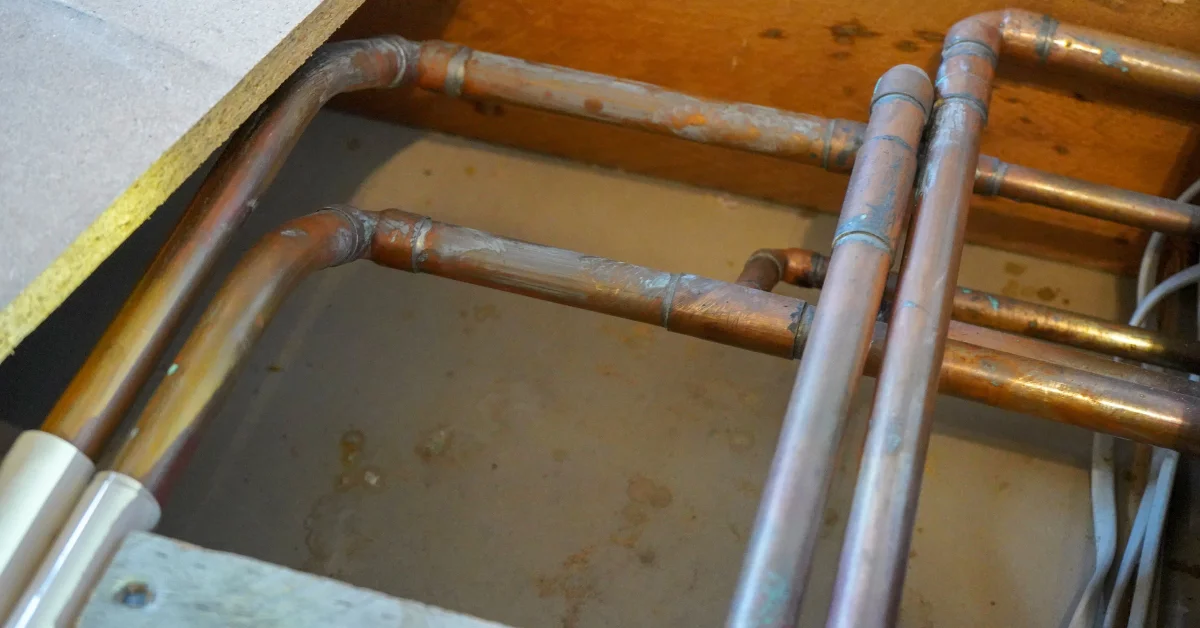
- Visible corrosion on exposed piping
These symptoms may indicate that your plumbing system is reaching the end of its lifespan.
When a Repair Might Be Enough
Not every pipe issue requires a full replacement. In some cases, a targeted repair can solve the problem.
Repairs may be suitable when:
- The issue is isolated to one section of the pipe
- Pipes are still relatively new, but have minor damage
- Corrosion or wear is limited in scope
- Water pressure and quality are mostly stable
A focused repair can restore function without major disruption, especially when the rest of the system is still in good condition.
When Replacement Is the Better Option
In other situations, replacing aging pipes may be the more practical long-term solution.
Replacement may be recommended when:
- Multiple leaks are happening across the home
- Pipes are made of outdated or failing materials
- Repairs are becoming frequent and costly
- Water quality is consistently poor
- There is widespread corrosion or deterioration
While replacement is a bigger project, it can help reduce ongoing issues and improve overall plumbing performance.
Common Pipe Materials and Lifespans
Different pipe materials wear out at different rates. Understanding what your home has can help you plan.
- Galvanized steel: Often lasts 20–50 years, but is prone to rust and corrosion
- Copper: Typically lasts 50+ years, but can still develop pinhole leaks
- PVC (plastic): Long-lasting but can crack under stress or age
- Older cast iron: Common in older homes and prone to internal rust buildup
If your home is older and still has original piping, it may be worth having it inspected.
The Risk of Waiting Too Long
Delaying pipe repairs or replacement can lead to more serious problems over time.
Potential risks include:
- Water damage inside walls or floors
- Mold or mildew growth from hidden leaks
- Higher water bills from unnoticed leaks
- Sudden pipe bursts are causing emergency repairs
- Damage to surrounding plumbing fixtures
Catching issues early can help reduce the impact on your home.
Getting a Professional Opinion
Because pipes are often hidden, it can be difficult to know their true condition without proper inspection. A professional evaluation can help identify:
- Hidden leaks
- Corrosion levels
- Water pressure issues
- Overall system health
A trained plumber in Tulsa, OK can help explain whether repair or replacement makes more sense based on what they find.
Contact Roto-Rooter Today
Deciding whether to repair or replace aging pipes depends on the condition of your plumbing system, how often issues occur, and the type of materials in your home. Understanding the warning signs can help you take action before small issues become major repairs.
If you’re dealing with frequent leaks, low water pressure, or aging plumbing, contact Roto-Rooter OK online for expert guidance and service, or call (405) 442-9691.